Signed in as:
filler@godaddy.com

There is always the risk of infection from an open wound. These risks must also be considered by the first aider. There are a number of precautions that can be taken to prevent cross-contamination.

There is a legal requirement under HSE guidelines and the First Aid Regulations 1981 that all workplaces require first aid equipment.
In a child setting, the requirement is essential, and the first aid kit must be made available. One factor which should be considered is how long it will take an individual to collect a first aid kit and return to the casualty. Location is important, easy access with the ability to have a first aid kit available within a short time.

Here are some simple tips on how to manage your first aid kits and products:
IMPORTANT: NO MEDICATION IS PERMITTED
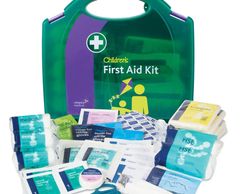
Locate your first aid kit in high-risk areas such as sports areas, eating areas. If you're outdoors, a first aid kit should be easily available for injuries, stocked with space blankets for temperature changes.
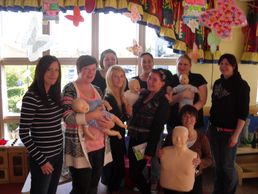
Ensure you review your first aid training and equipment.

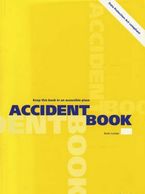
Accident reporting in the UK is governed by RIDDOR (Reporting of Injuries, Diseases and Dangerous Occurrences Regulations) and supported by the HSE Accident Book, which employers must keep available. The Accident Book is an essential document for recording work‑related injuries and incidents.
Below is a step‑by‑step guide to completing an accident report correctly. Some accident reports my request additional infromation.
📝 1. Gather the Essential Information
You should record the following:
About the Injured child
• Full name
• Contact details of parents
• Whether they are an child , visitor, member of the public or full time
• Date and time
• Exact location (e.g., Play area, office stairwell)
• Description of what happened
• Activity being carried out at time of injury/illness
• Type of injury (e.g., sprain, fracture, burn)
• Body part affected
• Severity
• Whether first aid was given and by whom
• Whether the child went to hospital
• Names and contact details
• Their brief account (if available)
Avoid blame or speculation. Stick to facts:
Good example:
Child slipped on a wet floor near the loading bay. No wet‑floor sign was present. Landed on left wrist.”
Avoid:
“Child wasn’t paying attention.”
Include:
Some incidents must be reported to the HSE under RIDDOR. These include:
The Accident Book itself includes guidance on RIDDOR requirements.
If reportable, the employer must submit a RIDDOR report online via the HSE portal.
For early years providers (nurseries, childminders, etc.):
• Records must be kept for a reasonable period after the child leaves (e.g., until after the next Ofsted inspection).
However, this is a minimum and does not override the Limitation Act recommendations.
