Signed in as:
filler@godaddy.com
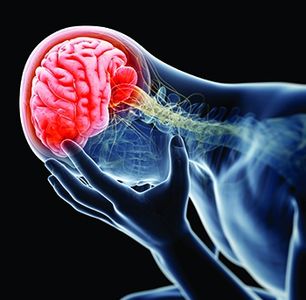
Children tend to bump, bang, and cut their heads; these are minor head injuries and can be dealt with easily with a cold compress and comfort.
However, there a 3 head injuries we are concerned about, they are easy to identify as long as you know what you're looking for. As a paediatric first aider, we should be looking for the obvious signs.
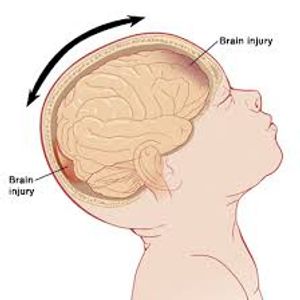
A concussion is a violent shaking of the brain, which causes temporary disturbance of brain activity.
Note!
The shaking off the brain can be caused by a direct blow, i., a child's head hitting a wall or an object falling on their head.
The shaking can also be caused by indirect shaking. i.e., the braking hard in a car while the child is in a car seat, the child's head is whipped forward and then back, causing a concussion.

A concussion has a few delayed effects. The following is a good method for identifying a concussion.
In some cases, a child may have split their face or head open. It's important to
treat any blood loss; this can be completed quickly using a sterile pad and triangular bandage.
Should the child show no signs of recovery within the first 3 minutes, ensure the emergency services are informed.
Should the child be conscious and fully responsive, lay them down and raise their legs to aid circulation if there is a visible injury, treat, then raise the head and legs.
Give the child a few minutes and then ask them to sit up. Give them a few more minutes and ask them to stand up.
Recommend that the child see a nurse or doctor
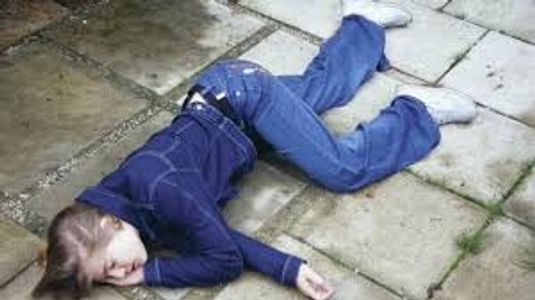
Do not move a child who has had a blow to the head; you should assess the child for injuries and a concussion.
Should the child drift in and out of unconsciousness, then place them into the recovery position and call 999/112